
What Can Okinawa Teach Us About Living Well?
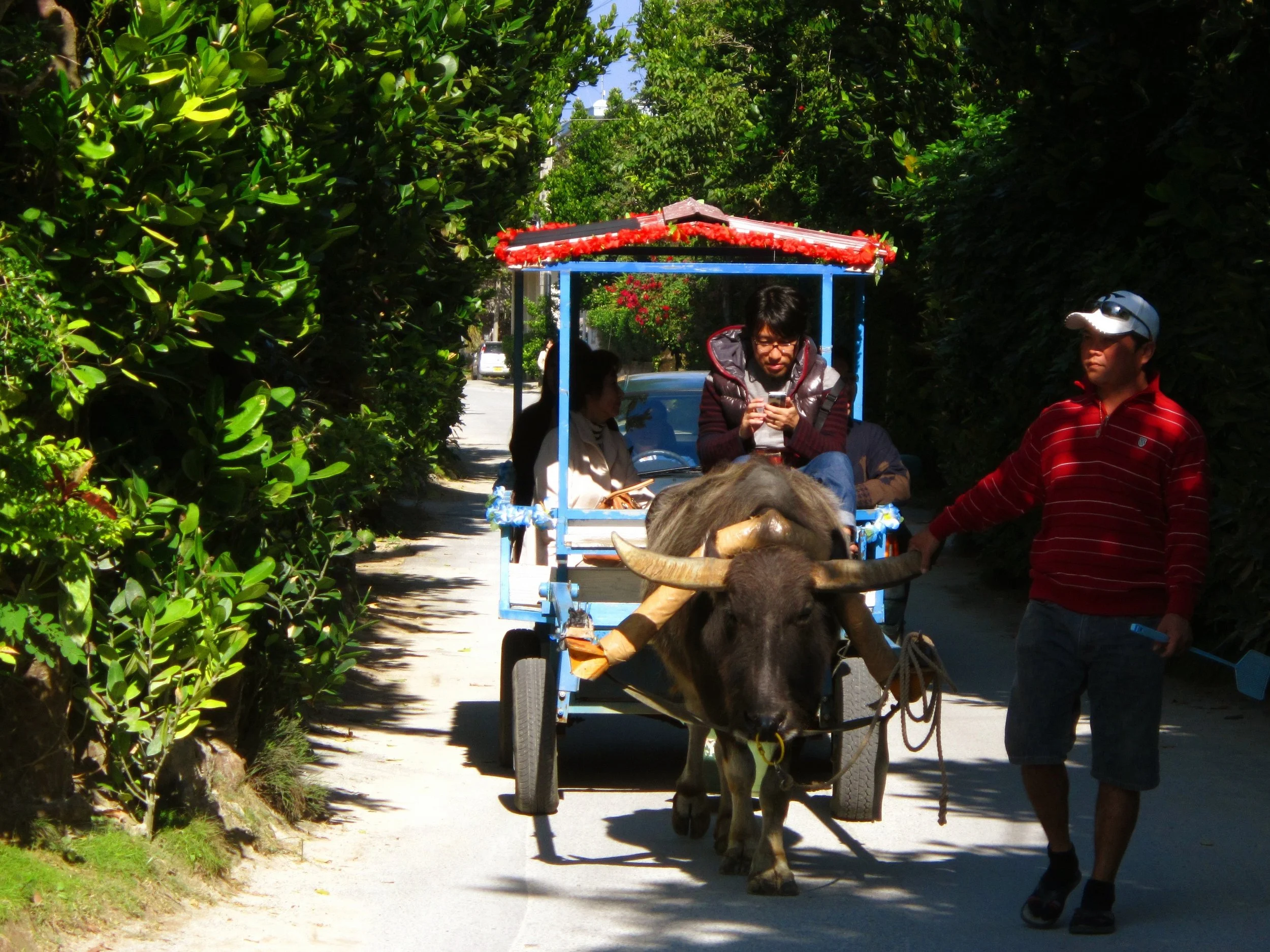
We travel for all sorts of reasons.
Sometimes it's to tick somewhere off the bucket list. Sometimes it's for adventure. Sometimes it's simply because we need a break from everyday life.
But every now and then, you visit a place that quietly changes the way you think.
Okinawa is one of those places.
What is a Blue Zone?
You may have heard the term Blue Zone before, but what does it actually mean?
Blue Zones are regions around the world where researchers noticed an unusually high number of people living long, healthy lives. These communities aren't chasing the latest health trends or miracle diets. Instead, many of the people who live there have built lifestyles around simple habits that have remained largely unchanged for generations.
There are five recognised Blue Zones around the world:
Okinawa, Japan
Sardinia, Italy
Ikaria, Greece
Nicoya Peninsula, Costa Rica
Loma Linda, California
Each is different, but they share some common themes. People tend to stay active throughout their lives, eat mostly fresh, locally sourced food, maintain strong social connections and have a clear sense of purpose. While every Blue Zone is unique, they're all places that have prompted researchers to ask the same question: what can we learn from the way people live here?
Why should travellers care?
This is the part that interests me.
Travel isn't only about seeing famous landmarks or ticking destinations off a list. Sometimes the most memorable part of a trip is experiencing a different way of life. You notice the pace people move at, how they spend time together, what they value and what a typical day looks like.
Whether you come home inspired to spend more time outdoors, eat more simply or just slow down occasionally, travel has a way of gently shifting your perspective. Okinawa is one of those places where that can happen without anyone trying to teach you a lesson.
More than a fascinating piece of research
One of the reasons Okinawa has attracted so much attention is that researchers have spent decades trying to understand why so many people there live long, healthy lives. While a number of common themes have emerged – including regular physical activity, strong social connections, a predominantly plant-based diet and a sense of purpose – there isn't a single answer that explains it all.
Genetics, culture, environment, diet and lifestyle are all thought to play a role, and there's still healthy debate within the scientific community about exactly how much each contributes. That uncertainty doesn't make Okinawa any less interesting. If anything, it makes it more so.
As visitors, we have the opportunity to experience a place where many of these habits are simply woven into everyday life, rather than packaged as the latest wellness trend.
What does that look like in Okinawa?
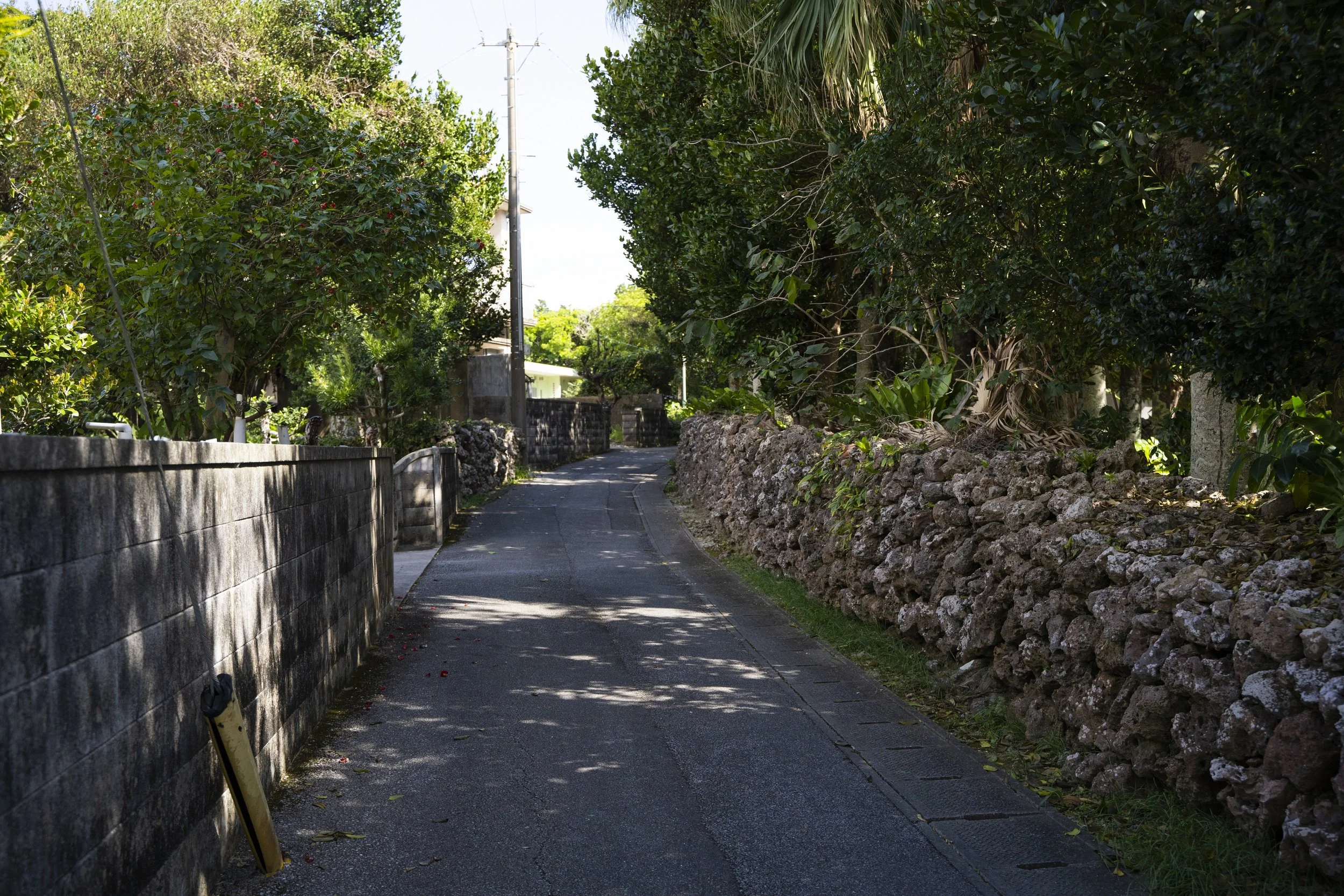
One of the things that appeals to me most about Okinawa is how ordinary it all seems. There isn't one defining habit or secret ingredient. Instead, it's the collection of small, everyday routines that researchers continue to study, and they're the same things visitors naturally notice as they explore the islands.
Spend a few days here and you'll likely find yourself wandering through neighbourhood markets, eating in small family-run restaurants and discovering local recipes that have been passed down through generations. Along the waterfront you'll see people walking, fishing, exercising or simply chatting with friends, while many older residents remain active and engaged in their communities well into later life.
None of it feels staged for visitors. It's simply life in Okinawa, and that's exactly what makes it so interesting to experience.
And then there's the ocean.
Life revolves around the water
This is where Okinawa feels particularly special for us at Living Blue.
Made up of more than 160 islands, Okinawa is surrounded by warm, crystal-clear water, colourful coral reefs and an astonishing diversity of marine life. It's one of Japan's best snorkelling and diving destinations, with everything from vibrant coral gardens and sea turtles to dramatic underwater landscapes and fascinating macro life.
What I love most, though, is how naturally the ocean fits into everyday life. It's not something that's reserved for holidays or weekends. The water is simply part of the landscape, and people grow up swimming, fishing, paddling and spending time outdoors.
For travellers who feel happiest with salt on their skin and a mask in their hand, it's an easy place to feel at home.
![[©Okinawa Convention&Visitors Bureau] or [©OCVB]](https://images.squarespace-cdn.com/content/v1/65b4814d5e46901674310f14/ae19e6ef-1973-42d2-828e-04480ae50cf3/101474.jpg)
More than mainland Japan
When many people think of Japan, cities like Tokyo, Kyoto and Osaka immediately come to mind. Okinawa offers a completely different experience.
Once the independent Ryukyu Kingdom, the islands have their own distinct culture, cuisine, music and traditions. The subtropical climate feels worlds away from mainland Japan, creating a destination that's relaxed without losing any of the warmth, hospitality or incredible food Japan is known for.
It's also refreshingly uncrowded compared to many of Japan's better-known destinations, making it perfect for travellers looking to explore beyond the usual tourist trail.
Maybe that's the real lesson
I don't think people visit Okinawa hoping to unlock the secret to living to 100.
They visit because it's a beautiful part of the world with incredible beaches, fascinating culture, outstanding snorkelling and diving, and a pace of life that's hard not to appreciate.
The Blue Zone story simply adds another layer. It encourages you to look beyond the scenery and pay attention to the people, the routines and the way life unfolds around you. Whether that's what contributes to longevity or not, it's certainly a reminder that there are many different ways to live well.
If you're looking for somewhere that combines world-class ocean experiences with a destination that offers a genuinely different perspective on life, Okinawa deserves a place on your list.
To discover how you can experience this Blue Zone magic, book an adventure chat and we can explore how it will work for you.
All images on this post courtesy of [©Okinawa Convention&Visitors Bureau] or [©OCVB]